Commercial Policy
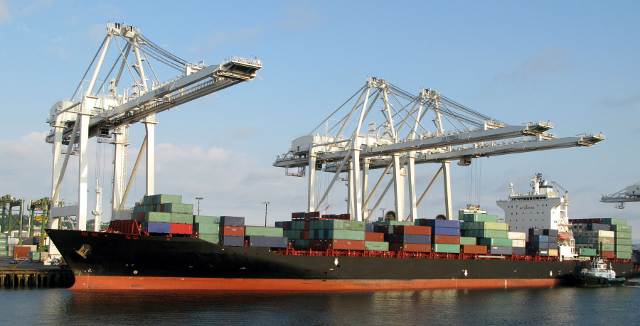
Commercial policy is the part a country's economic policy, that is related with measures and instruments that influence exports and imports, either through quantities, prices or which goods will be traded or not. Commercial policy consists of tariffs and other restrictions on international trade.
Governments can impose restrictions on trade:
- to protect local employment
- to protect local industries
- to reduce commercial deficit
- because of political pressure
Instruments of commercial policy
- Regulations
- Tariffs A tariff is a tax levied on an imported or exported good. There are mainly two types of tariffs: unit tariffs and value tariffs. A Unit tariffs consists on a fixed amount per unit traded. A value tariff consists on a proportion of the value of traded goods. Usually, countries impose import tariffs on many goods, to protect local industries and sometimes, because of political pressure. But some countries also impose exports tariffs to collect money and improve fiscal balance.
- Quantitative restrictions: This type of restrictions consist of import and export quotas, differential exchange rates and some times can also include administrative delays.
- Subsidies and instruments that promote certain industries: The state may subsidize certain industries which replace imports or increase exports. Governments can also give technological support and promote certain industries as part of it's commercial policy.